

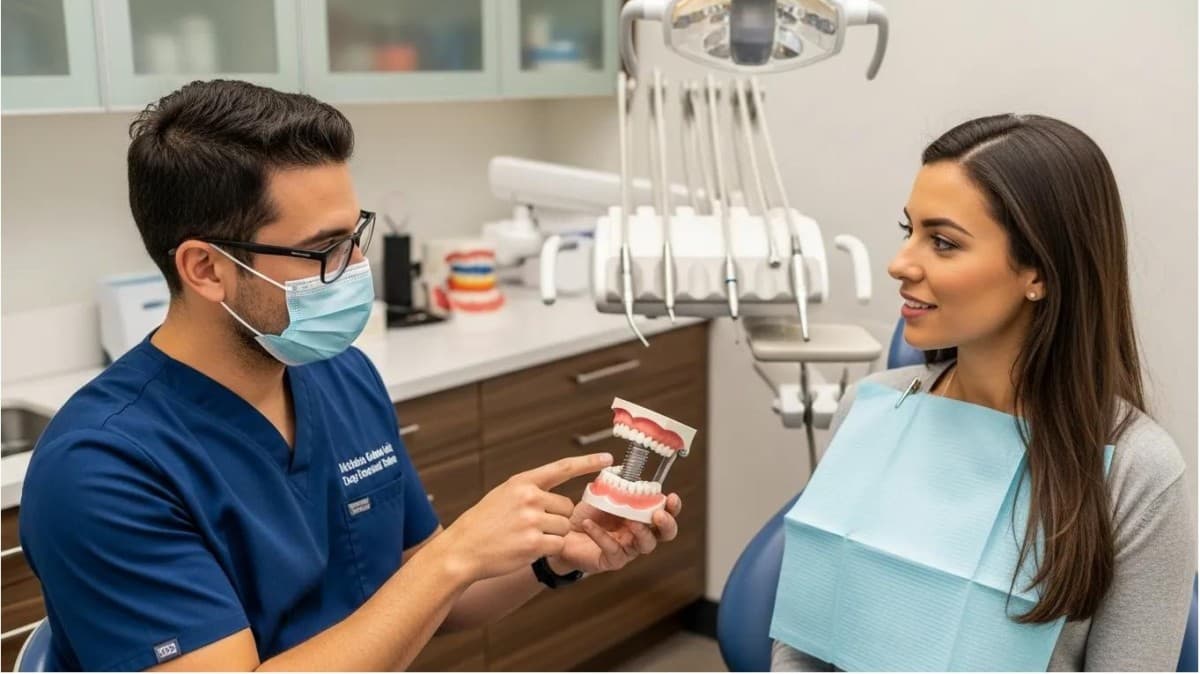
Missing teeth can affect confidence and daily life, but the high cost of dental implants often deters patients. However, a recent guide from Affordable Dental Marketing outlines practical ways to reduce expenses without compromising quality. With single implants in the U.S. costing between $3,000 and $6,000 in 2026, and full-mouth procedures reaching $90,000, understanding options is crucial.
Dental implants are considered a long-term investment, lasting 20 years or more with proper care. The guide emphasizes comparing multiple providers, as prices vary even within the same city. Requesting detailed treatment estimates helps avoid hidden fees. Dental schools offer another cost-saving avenue, with patients potentially saving 30% to 60% under supervised care.
Financing options, including monthly payment plans and healthcare credit programs like CareCredit, make treatment accessible. Insurance coverage has improved but often only covers part of the cost. Patients are advised to verify benefits before proceeding.
The guide warns against extremely low prices, which may indicate poor quality or hidden fees. It recommends asking about included procedures, materials, and follow-up care. Alternatives like dentures and bridges are cheaper upfront but may require more maintenance over time.
Ultimately, affordable dental implants are achievable through research and smart planning. The key is focusing on value, not just price, to restore both smile and quality of life.
