

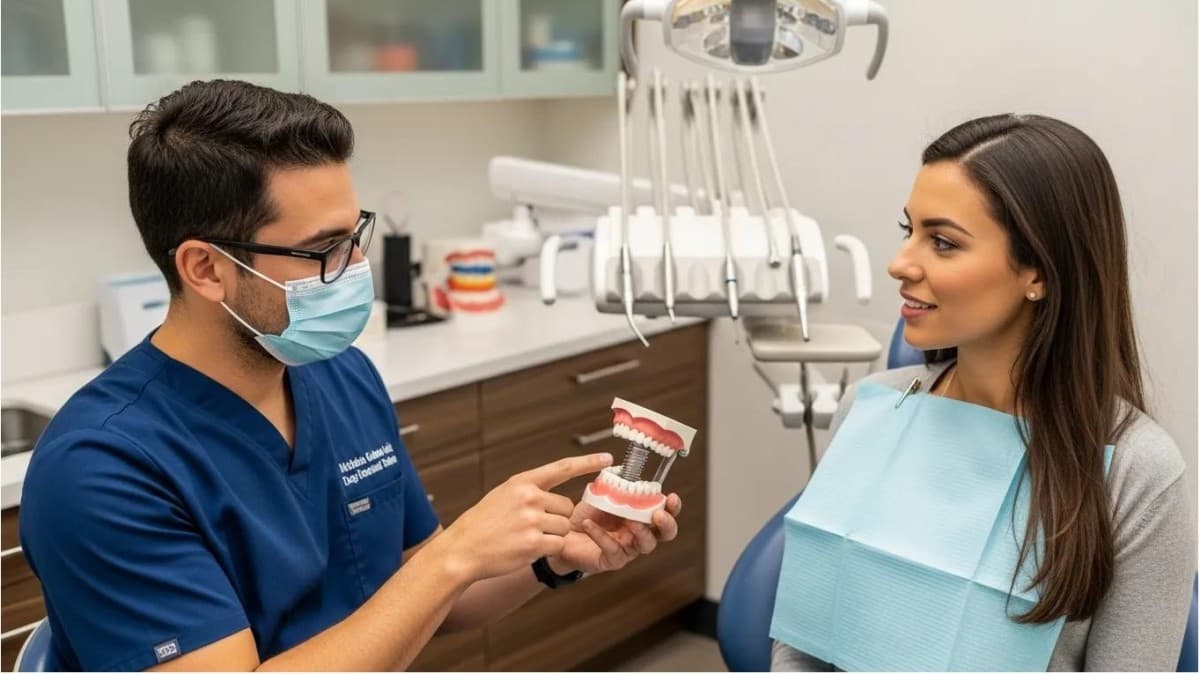
A new guide from Affordable Dental Marketing highlights strategies for securing affordable dental implants that actually stand the test of time, stressing that the cheapest options may lead to costly repairs later. Dental implants are widely recognized as a reliable solution for replacing missing teeth, offering natural appearance and functionality that can last decades with proper care. However, the cost often poses a significant barrier.
Quality should take precedence over the lowest price, the guide warns. Poorly placed implants or substandard materials increase risks of infection and failure. High-quality implants, typically made from biocompatible titanium, integrate well with the jawbone, and experienced dentists use advanced imaging for precise placement. Investing slightly more upfront can prevent expensive corrections down the road.
Understanding cost factors—such as the number of implants, type of system, diagnostic imaging, bone grafting, dentist expertise, and geographic location—helps patients identify savings opportunities without sacrificing quality. Obtaining a detailed treatment plan is crucial before making decisions.
Comparing multiple providers is recommended. Patients should request itemized estimates and consider experience, patient reviews, implant brands, and success rates, not just the final price. A slightly higher cost may reflect better long-term value.
Financing options, including monthly payment plans, third-party healthcare financing, low-interest promotional periods, and in-house arrangements, can make treatment more accessible. Checking dental insurance benefits is also advised, as some plans cover parts of the procedure or related treatments.
Dental schools and teaching clinics offer another avenue for affordable care, with procedures performed by supervised students at significantly lower costs. Patients should inquire about the implant system used, favoring established brands with proven track records for durability and replacement part availability.
The dentist's experience is paramount. Prospective patients should ask about the number of implant procedures performed, success rates, advanced training or certifications, and before-and-after cases. Proper maintenance—brushing twice daily, flossing around implants, attending regular cleanings, avoiding smoking, and using a night guard if needed—can extend implant lifespan to 20 years or more.
Common mistakes include choosing the lowest-priced provider without vetting credentials, ignoring patient reviews, failing to ask about materials, skipping follow-ups, and neglecting oral hygiene. Avoiding these pitfalls improves outcomes and satisfaction.
For more information, visit the website at dentistingranbury-denturesdentalimplants.com.
