

Invisalign clear aligners are emerging as a preferred orthodontic treatment for teenagers in Henderson, offering a less noticeable alternative to traditional metal braces. The transparent design addresses common adolescent concerns about appearance during social development, allowing patients to smile confidently throughout treatment. Unlike conventional braces that can cause gum and cheek irritation, Invisalign aligners are constructed from smooth plastic that minimizes discomfort, potentially improving treatment adherence.
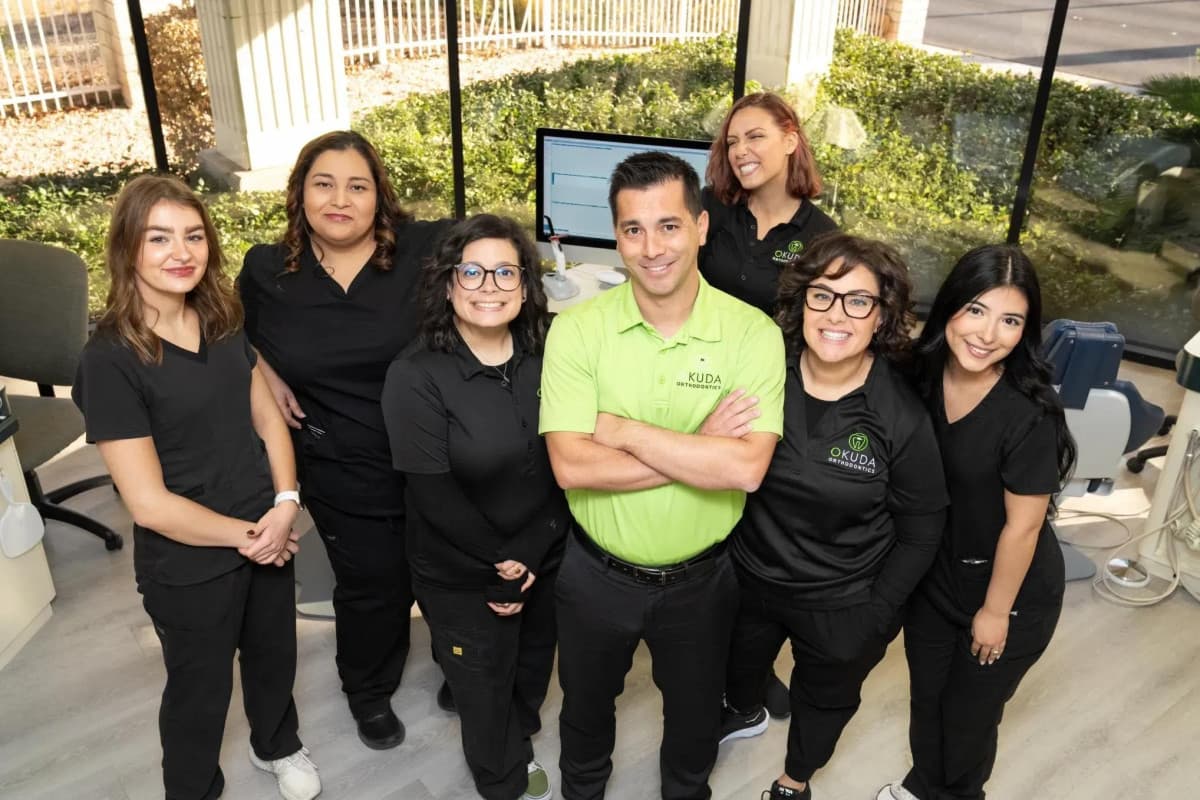
The treatment process at practices like Okuda Orthodontics begins with comprehensive consultations and customized plans using advanced technology. Three-dimensional imaging and digital scanning create precise aligners that gradually shift teeth into proper alignment. Patients can visualize their treatment journey and projected outcomes through this technology, which often results in shorter treatment durations compared to traditional methods.
Practical advantages include the ability to remove aligners during meals, eliminating dietary restrictions associated with fixed braces. This feature also simplifies oral hygiene, as teenagers can brush and floss without obstructions. For athletic students, the removable nature of clear aligners reduces injury risks during contact sports, providing flexibility that traditional braces cannot offer.
The emotional benefits extend beyond physical correction, with many teenagers experiencing improved self-esteem as their smiles transform. Orthodontic practices emphasize personalized care throughout the process, with regular check-ins to monitor progress and make adjustments. More information about this treatment approach is available at https://okudaortho.com/invisalign-for-teens-in-henderson-nv/.
As orthodontic technology advances, clear aligner systems represent a significant shift in adolescent dental care, combining medical effectiveness with considerations for teenage lifestyles and psychological wellbeing. The treatment's growing popularity reflects changing patient preferences toward less intrusive healthcare solutions that accommodate active schedules and social concerns.