

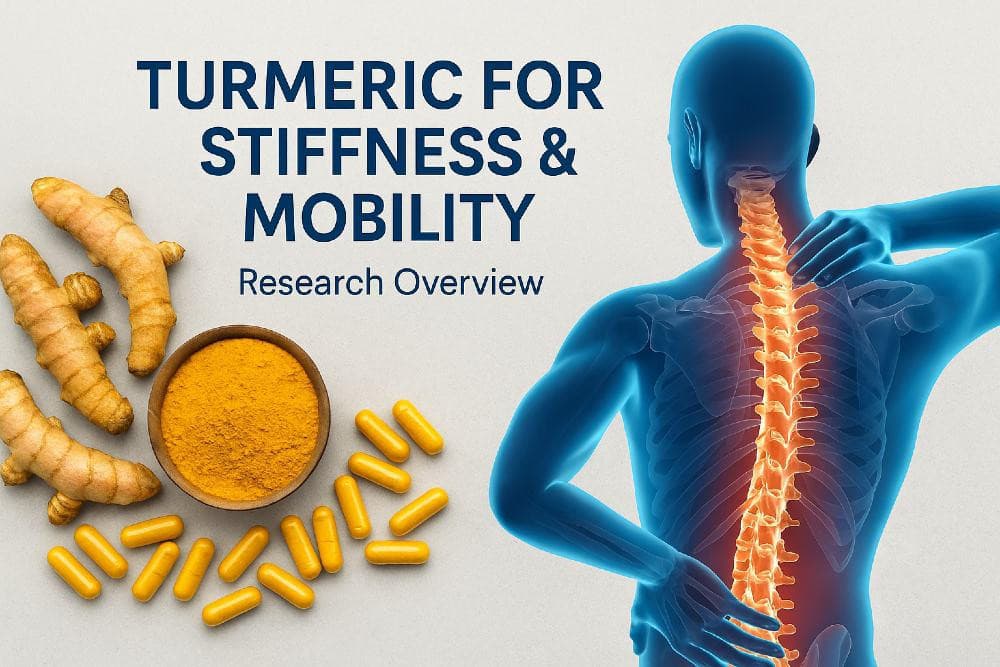
Recent scientific investigations have increasingly focused on turmeric and its active compound curcumin for their potential to support joint health and mobility. The spice, commonly used in cooking, contains bioactive compounds that may help alleviate everyday stiffness and promote smoother movement through their effects on the body's inflammatory responses. Curcumin, the most studied component of turmeric, is known for its ability to modulate inflammatory pathways in the body. While inflammation serves as a natural healing process, chronic inflammation can lead to joint discomfort and stiffness. Research suggests curcumin may inhibit the production of inflammatory markers that contribute to joint stiffness, potentially leading to improved comfort during daily activities. This mechanism makes it particularly relevant for individuals experiencing stiffness due to aging, physical activity, or other factors.
Beyond its anti-inflammatory properties, turmeric contains antioxidants that protect the body from oxidative stress, which can also contribute to joint discomfort. By neutralizing free radicals, turmeric may help maintain overall joint health and function. This dual action of reducing inflammation and combating oxidative stress positions turmeric as a promising natural option for those seeking to support joint health without traditional interventions. The growing body of research has led to increased interest in turmeric's applications for joint mobility, with many individuals exploring natural alternatives to conventional pain relief methods. Turmeric's long history in traditional medicine, combined with modern scientific validation, underscores its relevance in contemporary wellness discussions. The discomfort associated with stiffness can significantly impact mobility and quality of life, making natural approaches like turmeric supplementation appealing to those seeking supportive solutions.
Turmeric's versatility allows for easy incorporation into various dietary practices, whether added to meals, smoothies, or consumed as supplements. This accessibility enables individuals to explore potential benefits in ways that align with their lifestyles. As studies continue to investigate curcumin's mechanisms of action, understanding of how it interacts with inflammatory pathways is becoming clearer, potentially paving the way for more targeted approaches to managing joint discomfort. The exploration of turmeric and curcumin represents an evolving field with implications for natural wellness approaches. More information about turmeric's potential benefits for joint health can be found at https://mefirstliving.com/blogs/mfl-health-wellness-journal/turmeric-for-stiffness-and-mobility. As research continues to validate these traditional uses, turmeric and curcumin are likely to remain significant in discussions surrounding natural approaches to joint comfort and mobility support.