

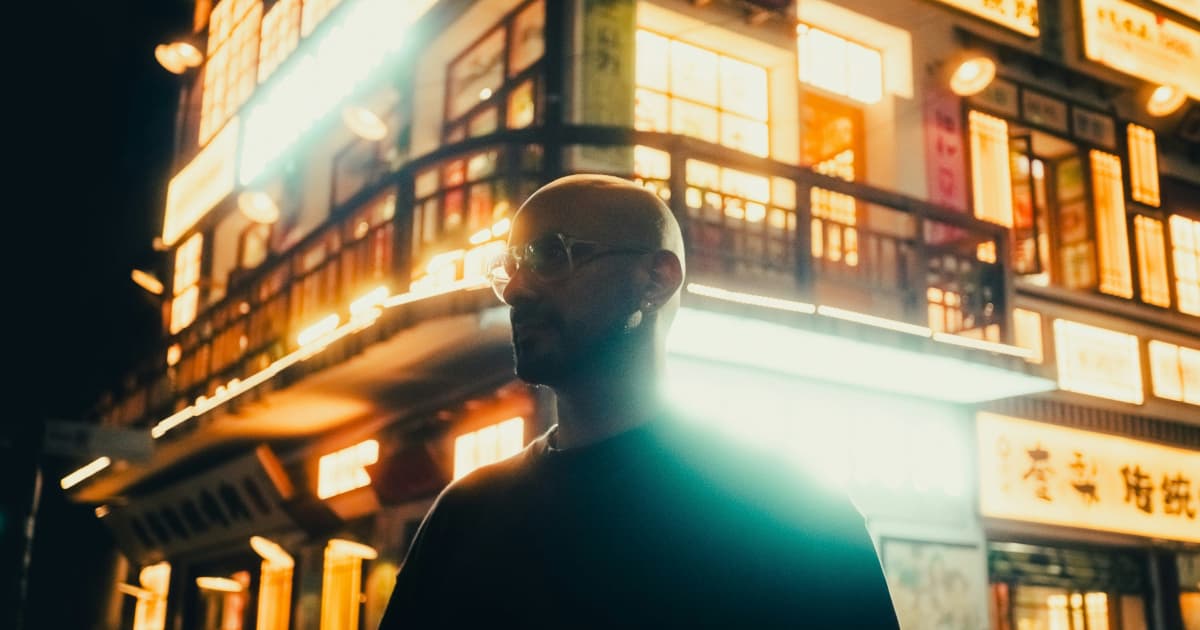
Victoria Larimore, acclaimed writer, director, and project creator, announced that Adhyaksh Amarnath will serve as Lead Editor for the anticipated feature film DOGS Waiting to Be Loved. The film presents a family-friendly narrative centered on the journeys of shelter dogs, featuring real rescue animals and original music from Broadway composer Norman Thalheimer and Grammy-winning songwriter/producer Charlie Midnight. DOGS Waiting to Be Loved assembles a production team with experience spanning major studios and networks, including 20th Century Fox, Disney, ABC, BBC, and PBS. This collaboration reflects a commitment to high production values and storytelling designed to inspire audiences.
The project's mission extends beyond entertainment, with a portion of proceeds dedicated to supporting dog shelters and rescue organizations nationwide, integrating advocacy directly into its framework. As Lead Editor, Amarnath will oversee the film's visual and narrative development from initial stages through final delivery. With an award-winning background in editing feature films, shorts, and documentaries, and credits at festivals such as AFI Fest and Cinequest, his role is pivotal in shaping the emotional and visual arc of the movie. Larimore noted that Amarnath possesses a gift for highlighting heart and nuance, ensuring each frame advances the story of the canine cast and their human advocates.
The film leverages industry-leading artists and innovative visual effects teams to create an experience that aims to both entertain and enlighten. By combining professional expertise with a cause-driven approach, DOGS Waiting to Be Loved represents a convergence of cinematic artistry and social impact, potentially setting a precedent for how family films can engage with real-world issues while maintaining entertainment value. The involvement of artists like Norman Thalheimer and Charlie Midnight, whose work can be explored further at https://www.broadway.com and https://www.grammy.com, underscores the project's artistic ambitions. This model of integrating advocacy with mainstream filmmaking could influence future productions, demonstrating that commercial success and social responsibility are not mutually exclusive in the entertainment industry.